

Dr. Febel Huda | Understanding Smile Restoration Options
Meet Dr. Febel Huda: Understanding Your Options for Restoring Missing and Damaged Teeth
Choosing dental treatment starts with understanding your needs. Dr. Febel Huda’s background in prosthodontics, implantology and dental education offers patients a professional profile to consider when seeking advice about restoring their smile.
Missing or damaged teeth can affect everyday activities and the way you feel about your smile. You may be wondering whether you need a crown, bridge, denture or dental implant—and how to choose someone to guide you through those decisions.
Save the Tooth encourages patients to begin with education and a careful assessment. Understanding the available options helps you ask better questions and take an active role in your treatment.
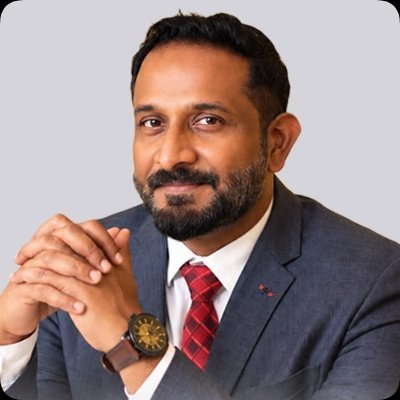
Dr. Febel Huda is a prosthodontist and implantologist whose professional portfolio also describes training in laser and aesthetic dentistry. His career combines clinical practice with teaching and mentorship.
For patients, the relevance of this background lies in his focus on restoring teeth and replacing missing teeth, together with his involvement in explaining dentistry to others.
What Is a Prosthodontist?
A prosthodontist is a dentist with advanced training in restoring damaged teeth and replacing missing teeth. This field includes treatment planning involving crowns, bridges, dentures and implant-supported restorations.
The goal is to consider how your teeth look and how they function, including the relationship between your bite, gums and replacement teeth.
Dr. Huda completed his Master of Dental Surgery at Annamalai University, specialising in prosthodontics and implantology. His portfolio also lists further international qualifications and training.
This combination is relevant when a patient needs advice about both the replacement of a missing tooth and the design of the final restoration.
What Smile Restoration Concerns Can You Discuss?
The following are common reasons to seek a prosthodontic or implant consultation. They describe areas for assessment, rather than a promise that a particular treatment will be suitable.
One Missing Tooth
A missing tooth may be replaced with an implant-supported crown, a bridge or a removable option, depending on your circumstances.
An implant acts as an artificial root supporting a replacement tooth. A bridge replaces a gap using support from neighbouring teeth or implants.
The appropriate choice depends on your oral health, the surrounding teeth and other factors identified during examination.
Several Missing Teeth
When several teeth are missing, the treatment plan may involve a bridge, partial denture or implant-supported restoration.
The decision should consider where the gaps are, the condition of your remaining teeth, your preferences and how you will maintain the restoration.
Most or All Teeth Missing
Patients missing most or all teeth may need a broader restoration plan. Options can include complete dentures or implant-supported replacement teeth.
The plan should explain the proposed restoration, the stages of treatment and the care it will need afterward.
Damaged Teeth and Existing Restorations
If you have damaged teeth, uncomfortable crowns or bridges, or concerns about how your teeth meet, a prosthodontic assessment can help identify the cause and discuss appropriate options.
A worn or loose restoration should be examined before deciding whether it needs adjustment, repair or replacement.
Loose or Uncomfortable Dentures
If your dentures move, rub or make eating difficult, seek an assessment. The fit and condition of the denture, the supporting tissues and your oral health all need consideration.
Ask about the available options for improving comfort and function, including whether an implant-supported approach is appropriate for your situation.
Why Consider Dr. Huda for a Consultation?
Dr. Huda’s professional background brings together several qualities relevant to someone seeking restorative advice.
Specialist education: His postgraduate training in prosthodontics and implantology relates directly to the planning of replacement teeth and restorations.
Clinical experience: His portfolio describes clinical leadership in India and consultancy work in India, Saudi Arabia, Oman and Ethiopia.
Continued learning: His further educational experiences span implantology, laser dentistry and aesthetics.
Teaching and mentorship: His involvement in dental education adds a communication dimension to his professional profile.
These are reasons to consider a consultation and ask informed questions. The suitability of a clinician for your particular needs should also be assessed through discussion of relevant cases, treatment options and follow-up arrangements.
How Teaching Experience Can Matter to Patients
A clinician who teaches others may bring useful habits to patient conversations: explaining a process clearly, breaking down a complex decision and helping someone understand the reasoning behind a recommendation.
Dr. Huda’s enthusiasm for sharing knowledge and his approachable personality are central to the way he is described as a mentor.
For patients, that can make education an important part of the consultation. You should feel able to ask what a proposed treatment involves, what alternatives exist and what you will need to do afterward.
Teaching experience complements clinical training. Your decision should also consider the dentist’s experience with cases like yours, the quality of the assessment and the clarity of the proposed plan.
Preserve Natural Teeth Where Possible
Save the Tooth places value on understanding whether natural teeth can be retained before considering replacement.
Ask your dentist which teeth can reasonably be preserved and why any extraction is being proposed. A discussion about implants should sit within an overall plan for your oral health.
Dr. Huda’s restorative background makes this an important topic to raise during a consultation: what can be maintained, what needs rebuilding and what may require replacement.
Are Dental Implants Suitable for Everyone?
Dental implants require individual assessment. Your overall health, gums, jawbone and ability to maintain oral hygiene are among the factors considered.
Implant treatment also involves healing and follow-up. Your dentist should explain the benefits, possible complications and alternatives before you decide. Treatment time and results vary between patients.
If there is insufficient bone at a proposed implant site, additional procedures may sometimes be considered. Their suitability depends on the individual assessment.
Questions to Ask Before Smile Restoration
Bring your concerns, medical history and any previous dental records to the consultation. Useful questions include:
- Which of my natural teeth can be preserved?
- What options are available, and why do you recommend this one?
- Have you managed cases similar to mine?
- What are the treatment stages and expected costs?
- What complications could occur?
- Will I have temporary teeth during treatment?
- Who will provide follow-up care?
- How should I clean and maintain the restoration?
Clear answers can help you compare options and make a decision that fits your needs.
Caring for Your Restored Smile
Restoring teeth is followed by ongoing care. Dental implants and their restorations require daily cleaning and professional review.
Inflammation can affect the tissues around implants, so bleeding, tenderness or other changes should be discussed with your dental team. Your clinician can explain the cleaning methods and review schedule suitable for your restoration.
Enquire About a Consultation With Dr. Febel Huda
If you have missing teeth, an uncomfortable denture or concerns about existing crowns and bridges, contact Kings Dental Academy to enquire about consultation arrangements with Dr. Febel Huda and confirm the appropriate clinical location.
Academy enquiry address: Kings Dental Academy, 1st Floor, Asha Arcade, Promenade Road, Cantonment, Tiruchirappalli (Trichy), Tamil Nadu – 620001, India.
Call: +91 87789 51171
Email: kingzacademy@gmail.com
Website: kingsdentalacademy.in
This content is intended for educational and social awareness purposes only. It should not be considered a substitute for professional medical or dental advice, diagnosis, or treatment. Please consult your dentist or doctor for personalized guidance.


